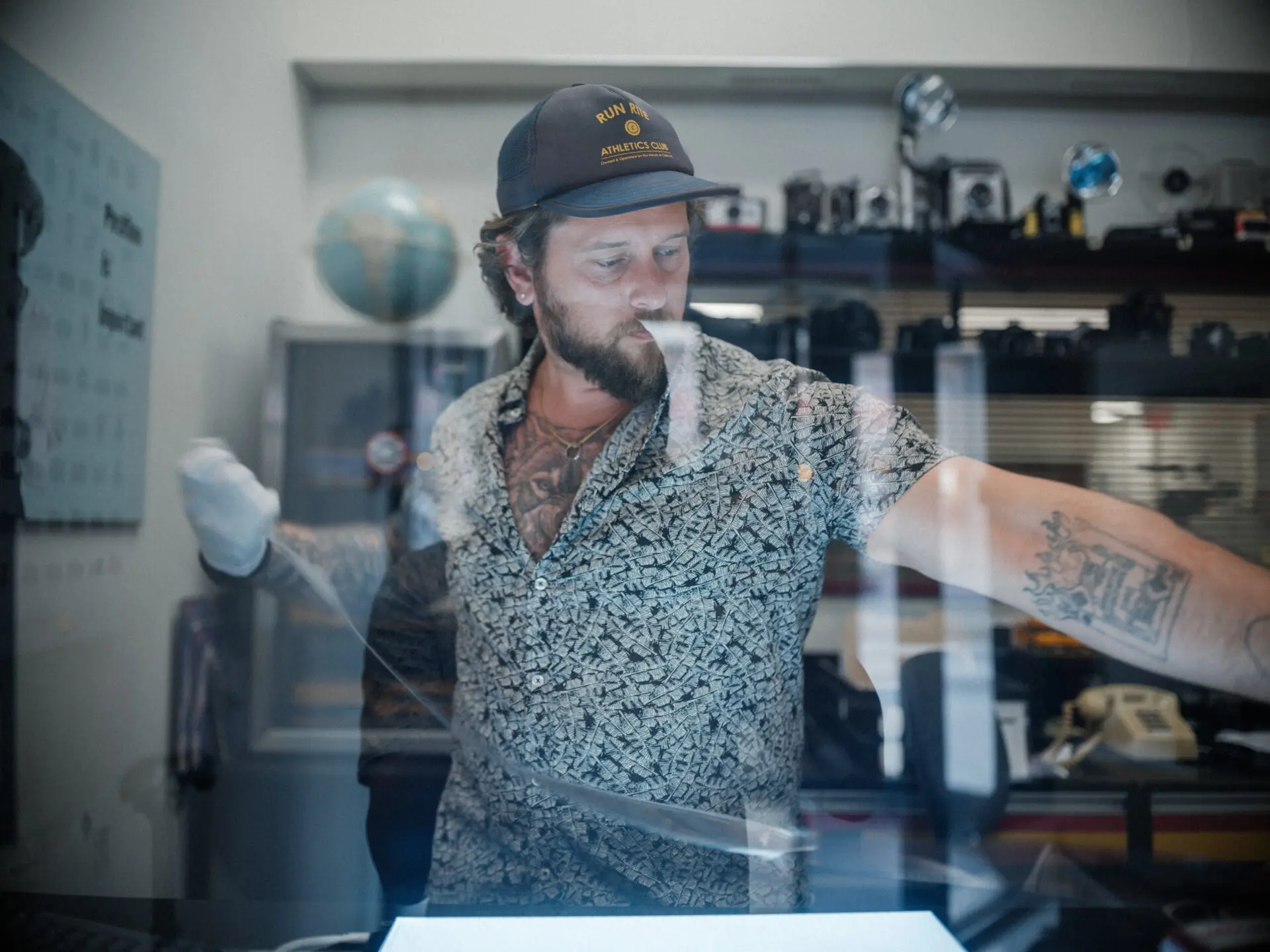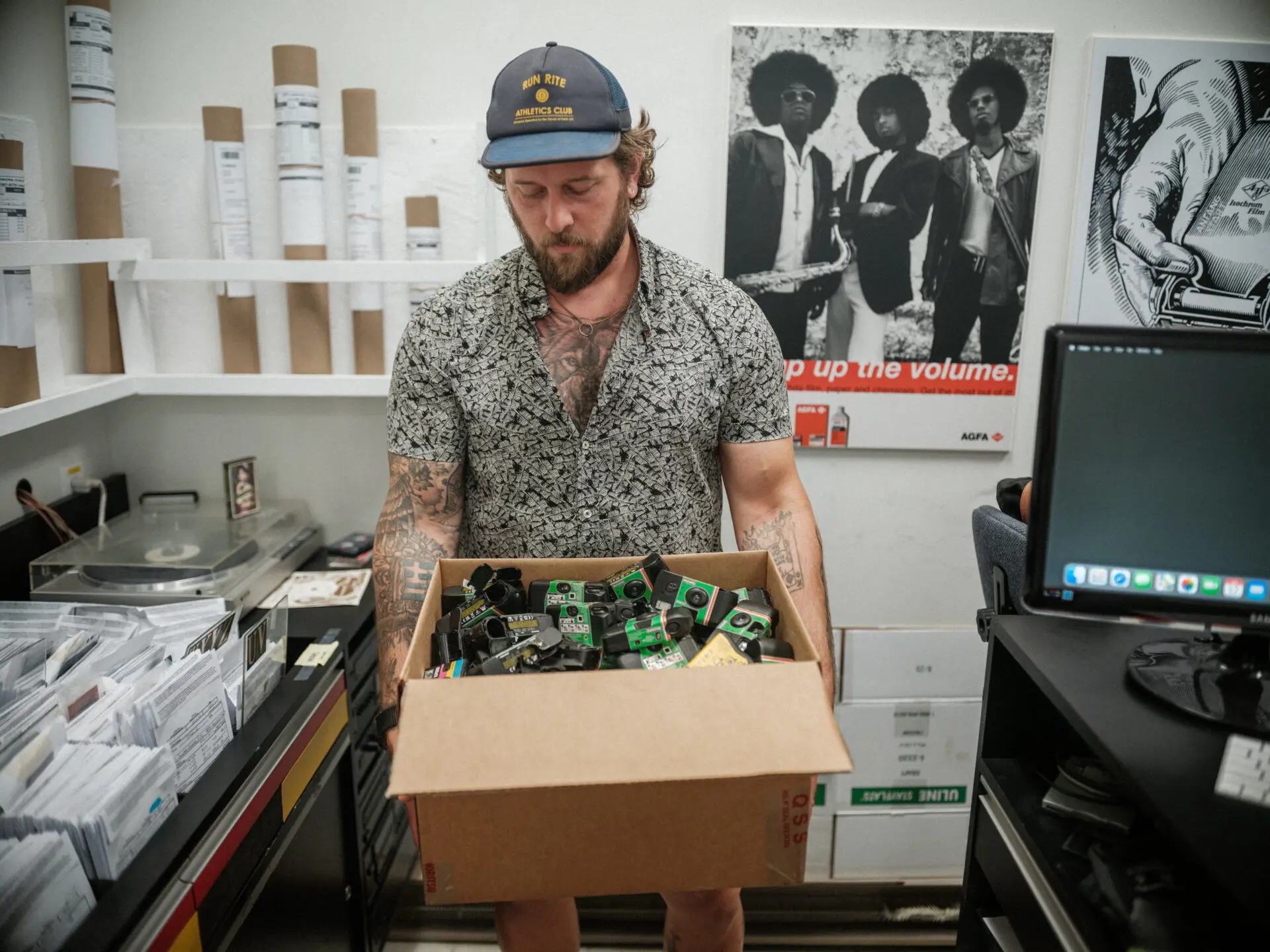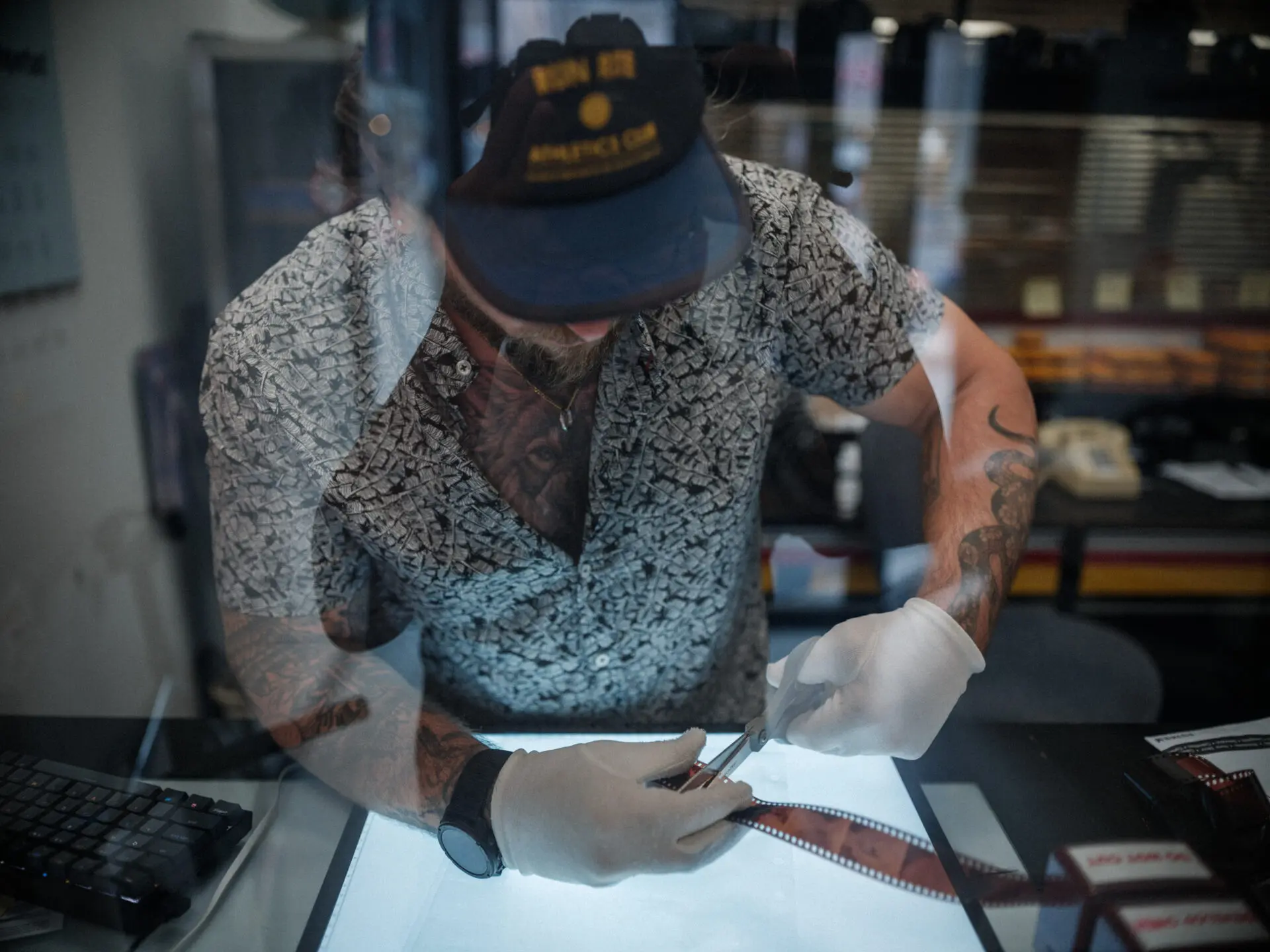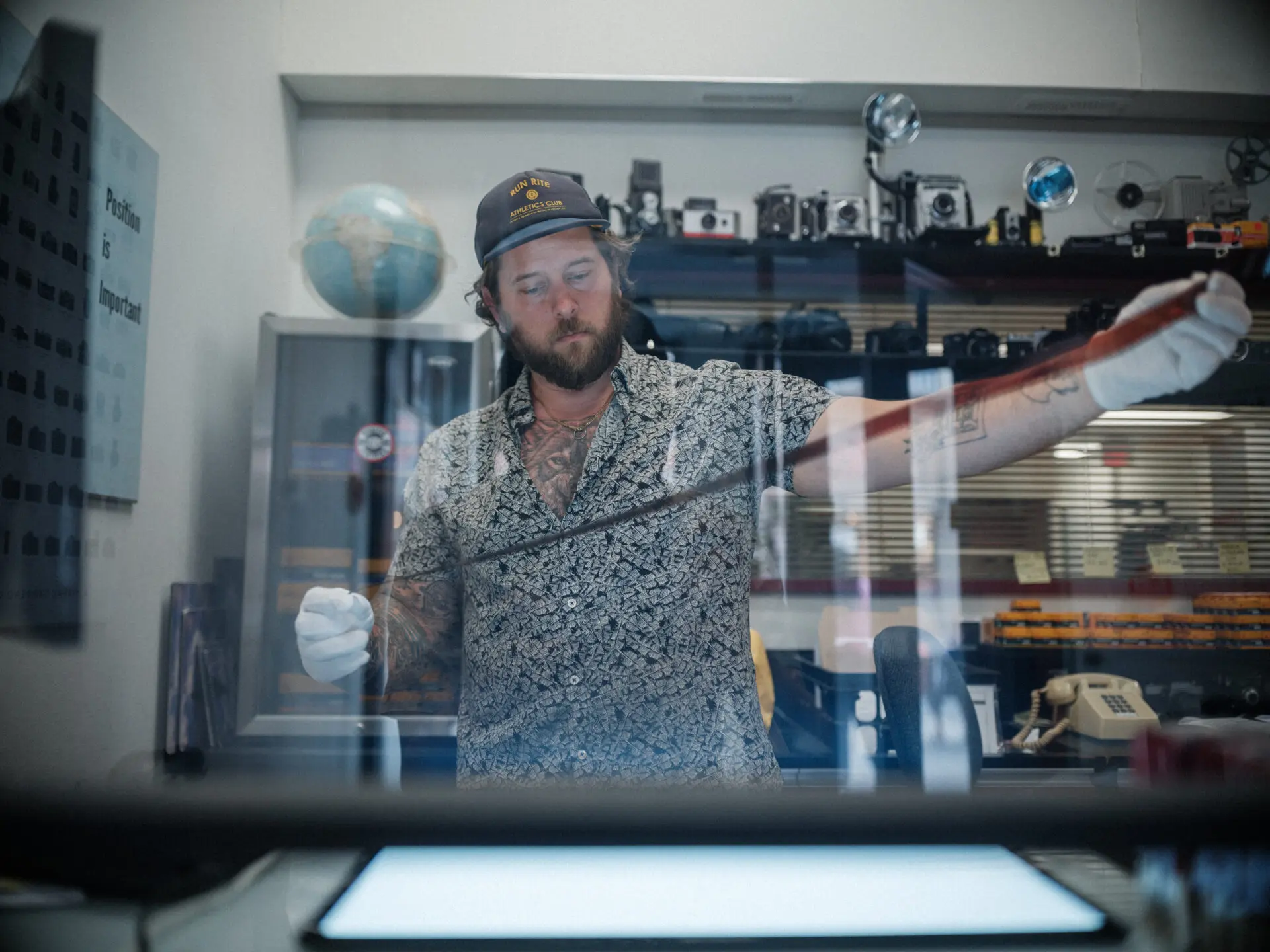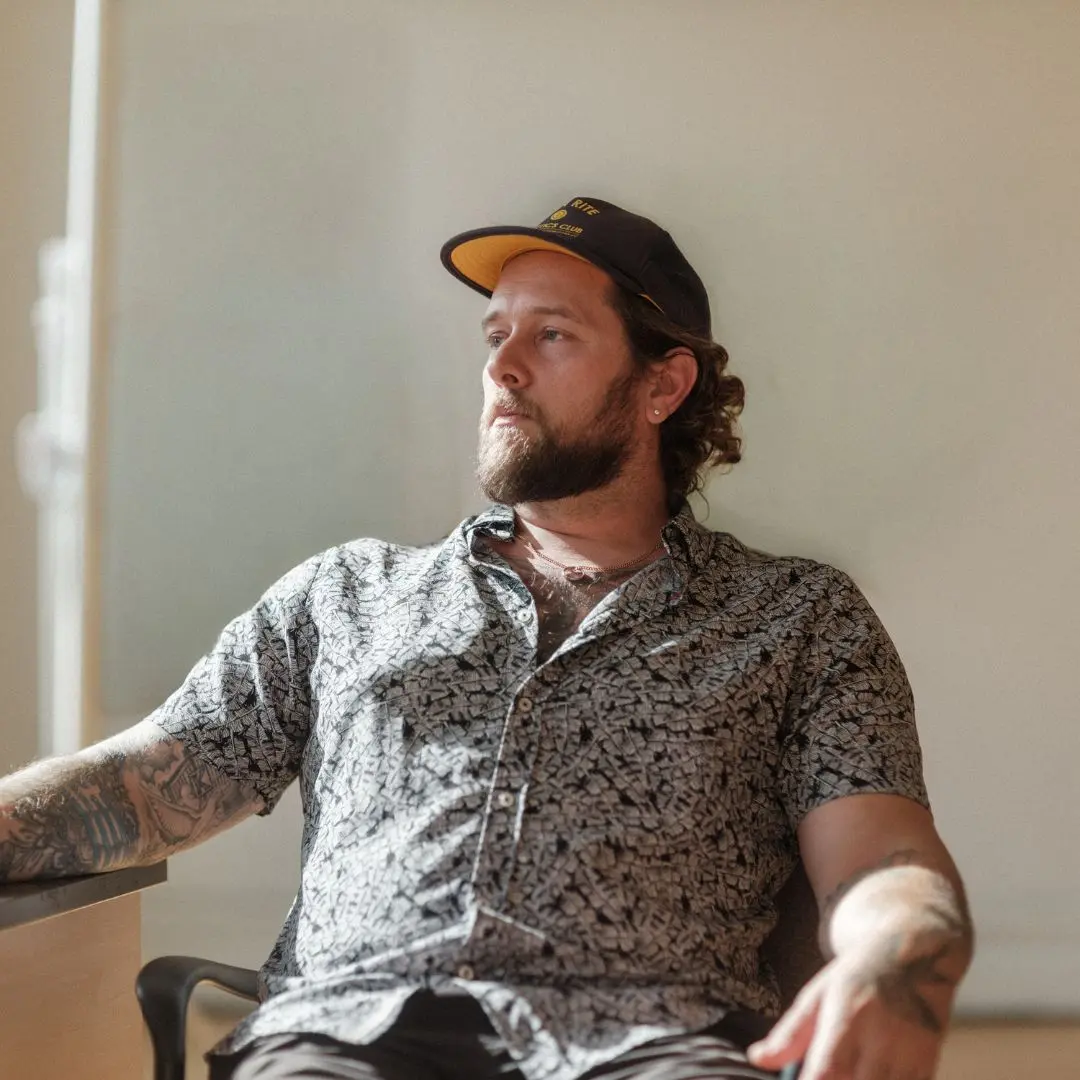

“I’m Rob. I’m an art administrator, photographer, photo-based artist, and sort of a lover of all things handmade and mechanical.
That kind of ties all of my interests together.
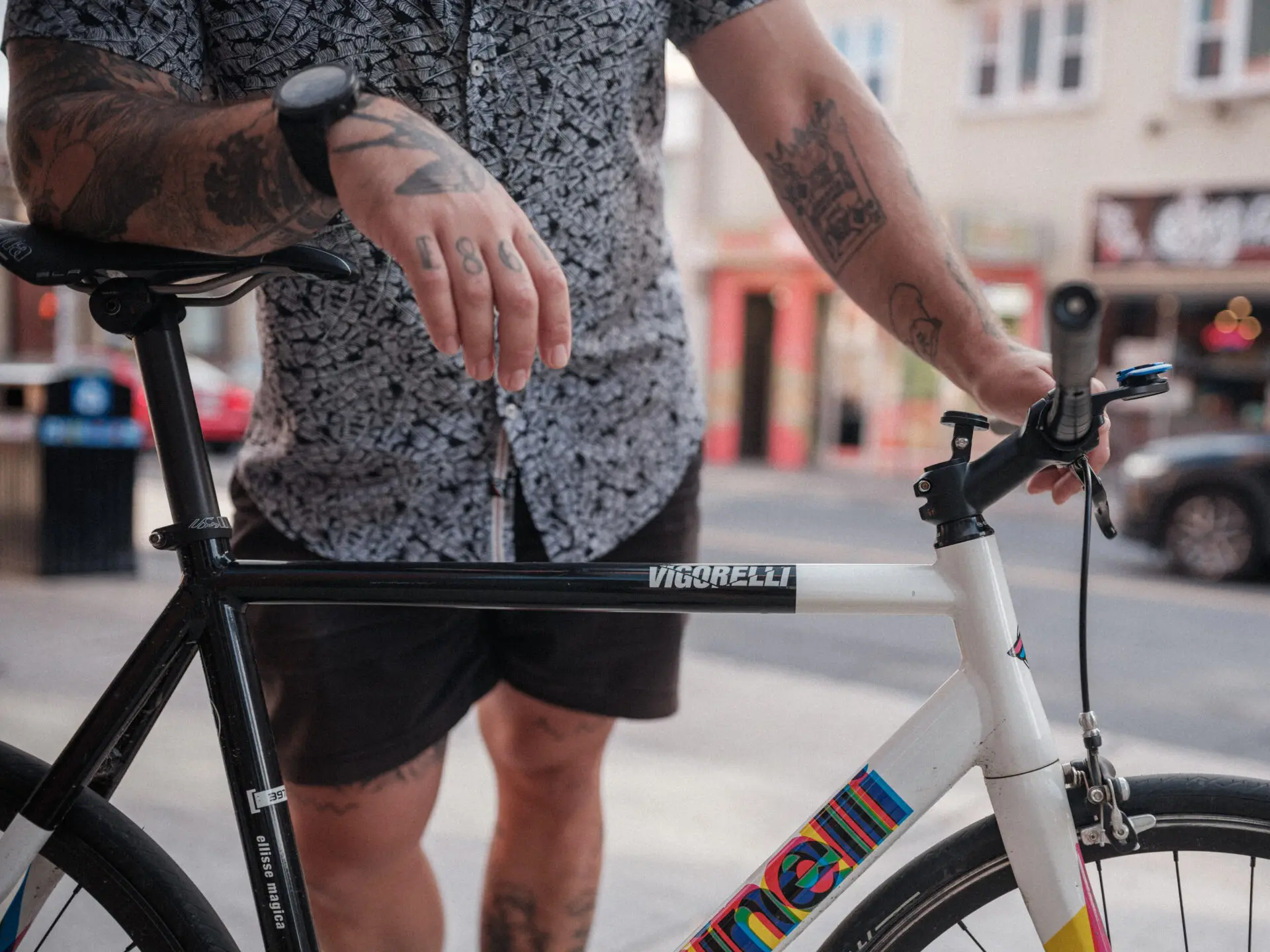
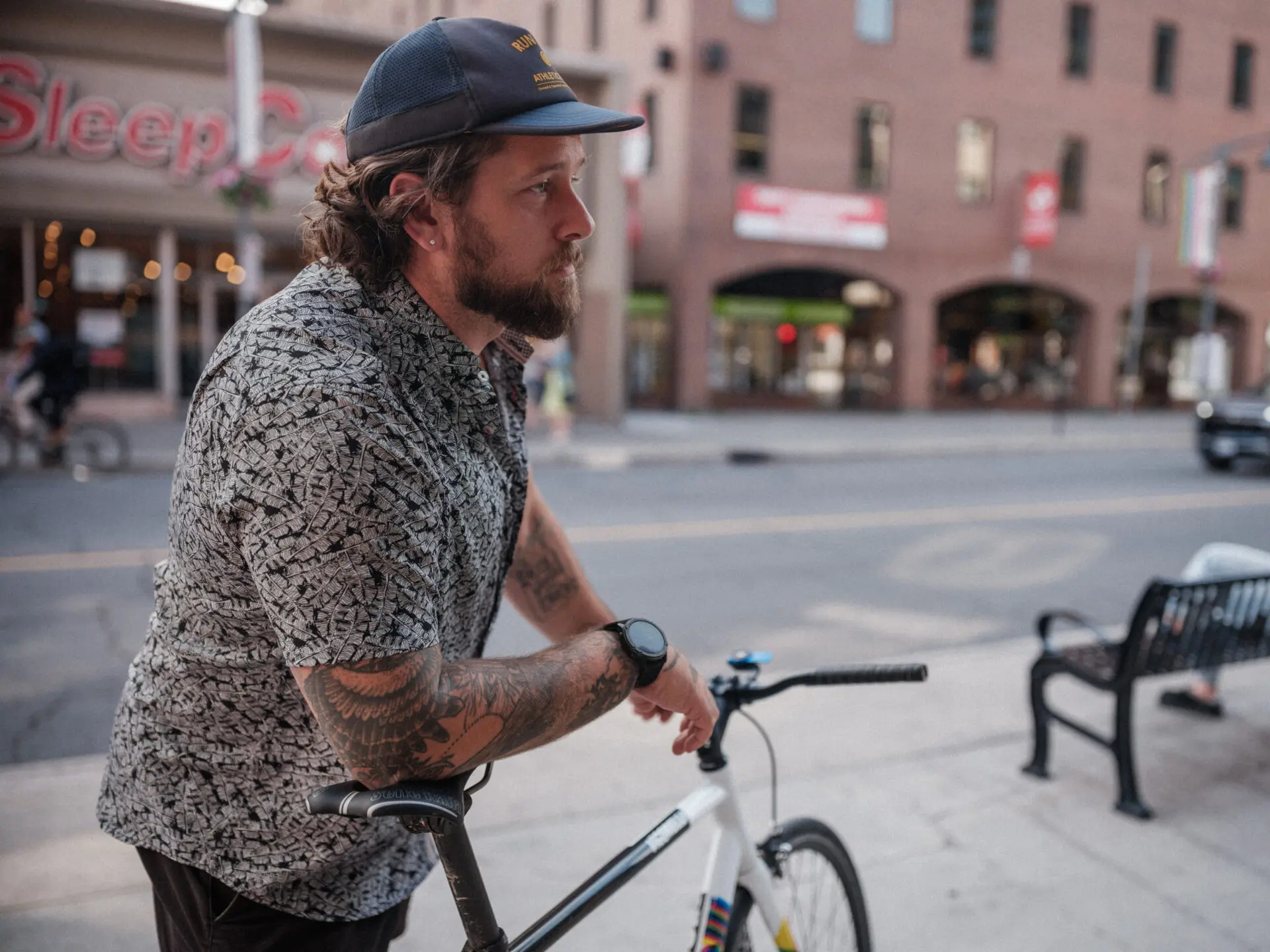
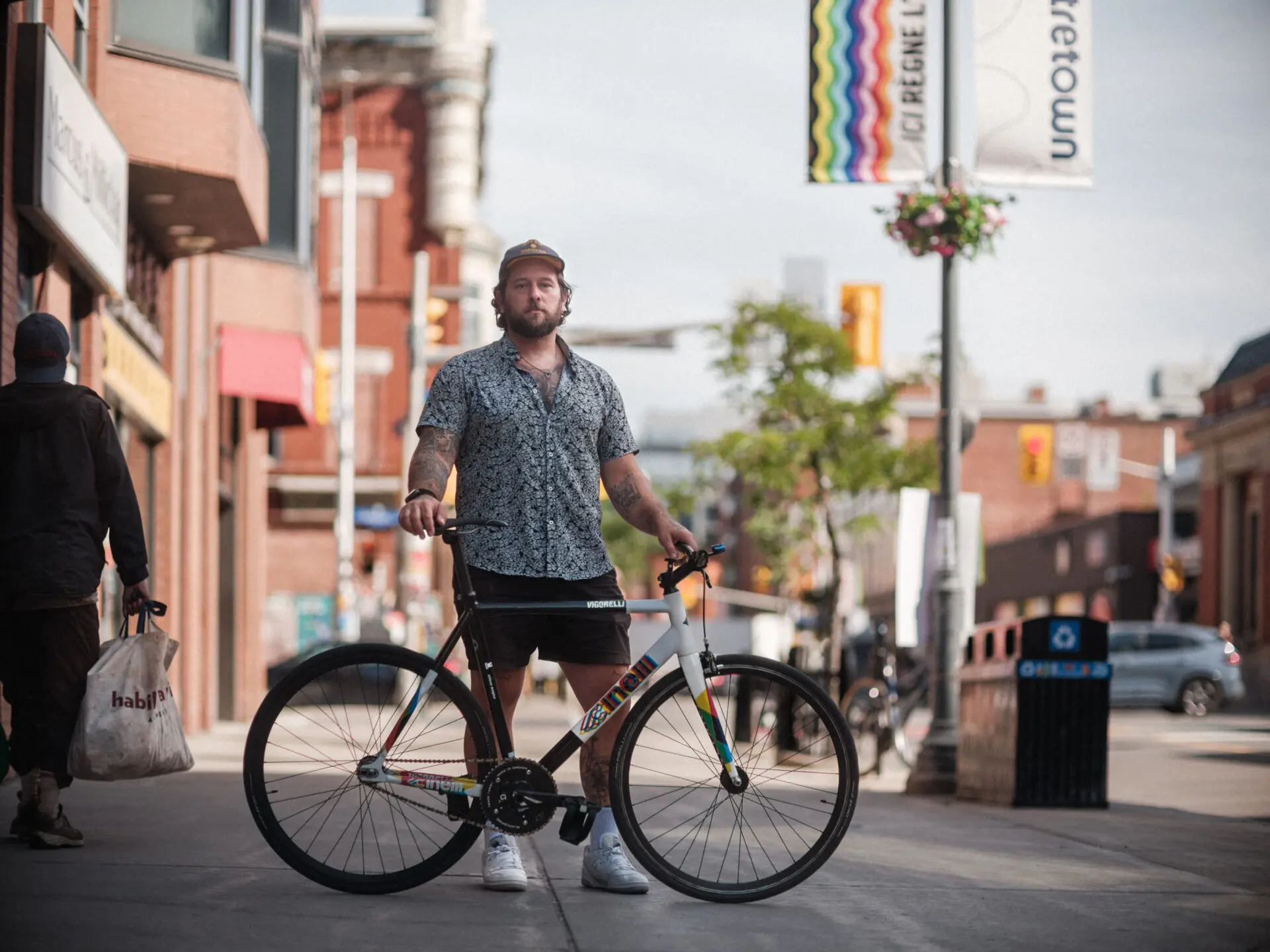
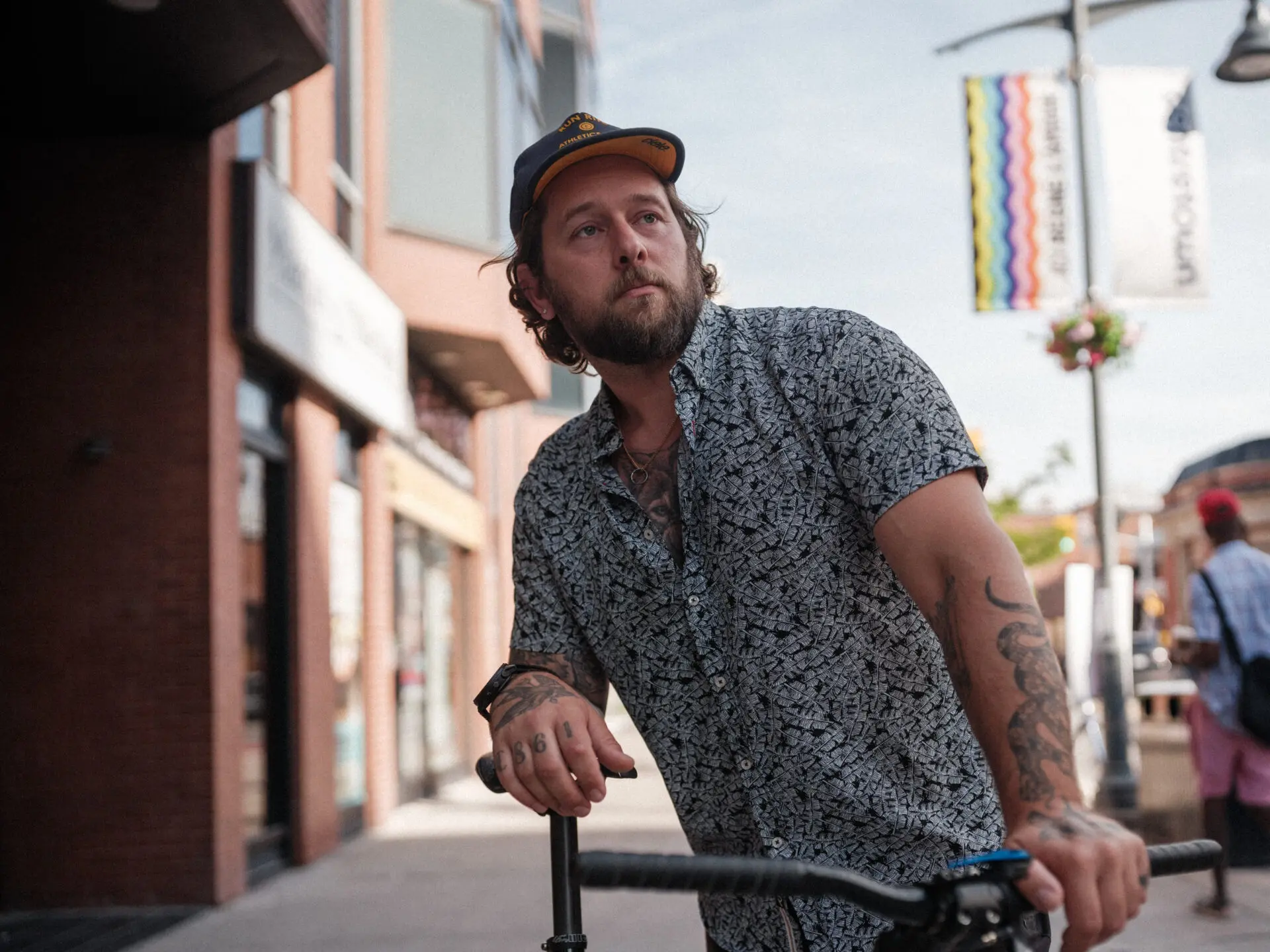
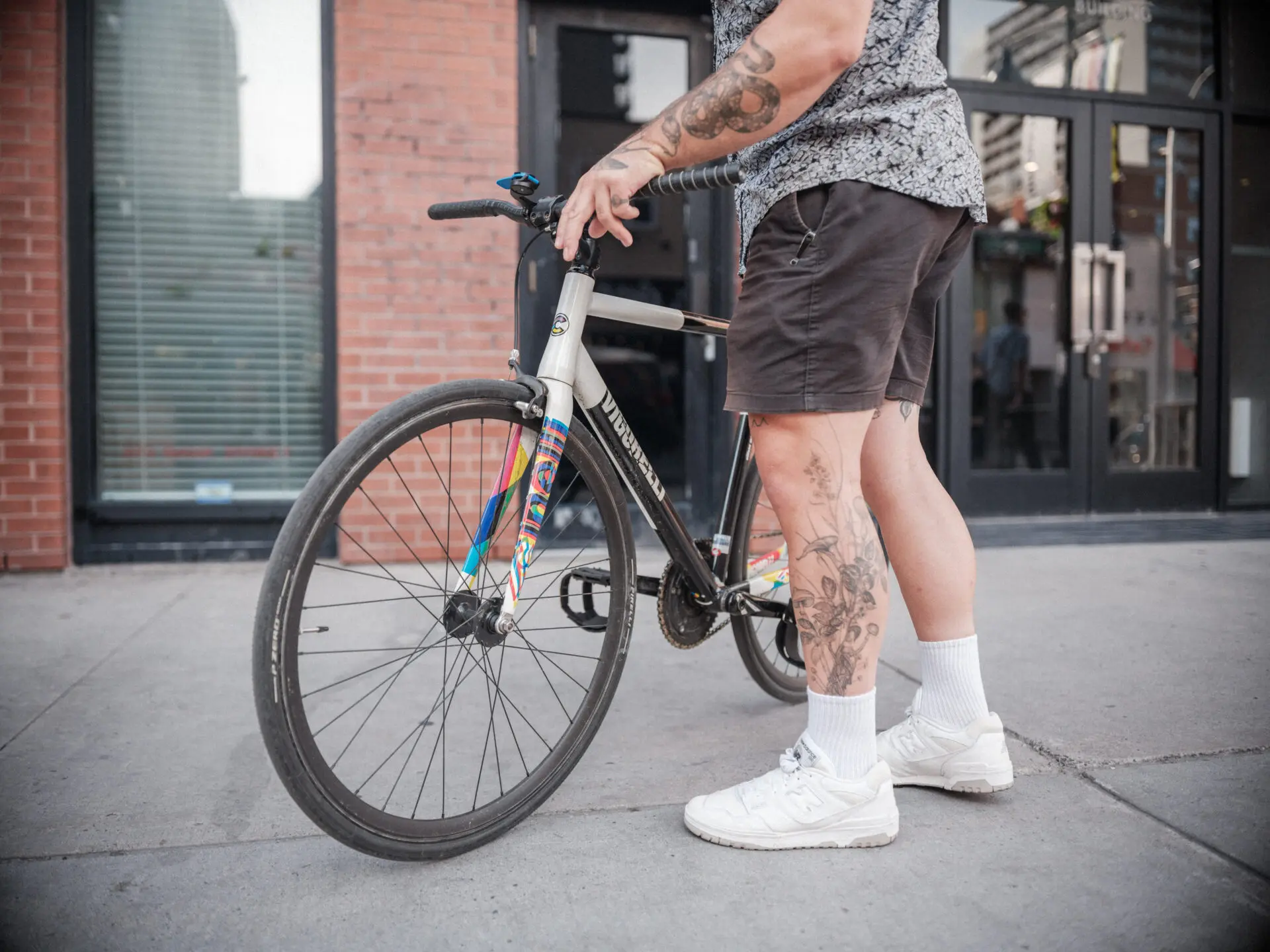
Tying in with the love of analog and mechanical things, bikes come into play, especially in an area like Centretown, because you can get anywhere on a bike very quickly. I’ve lived here two different times in the last 10 years in different parts of Centretown, and now I’m just outside in what we can still call Centretown West. So when I come up to LabWorks, it’s a five-minute bike ride. I go a little harder than I should, because going fast in the streets is part of the excitement. I love that.
So yeah, it’s pretty quick. As soon as I bought my first bike, when I was living just outside of the city, I had a commute that was just under an hour. I bought a bike and then decided what things weren’t quite working for me. I said, “Instead of buying another bike, I think I should just build one from scratch.” Like I do with almost every interest I have, I find local workshops, learn the skills, and then, under supervision, build the thing that I’m interested in.
That’s exactly what I’ve done with two of my bikes now. I’ll end up at home, set up a little workshop, and start tinkering and changing things around. It’s very similar to using different techniques and creating different things in the darkroom: I’m doing it all by hand, there’s nothing electronic about it, and I get to do it myself. Very few people, in the grand scheme of things, are doing the same. So you kind of think of it as continuing a tradition.
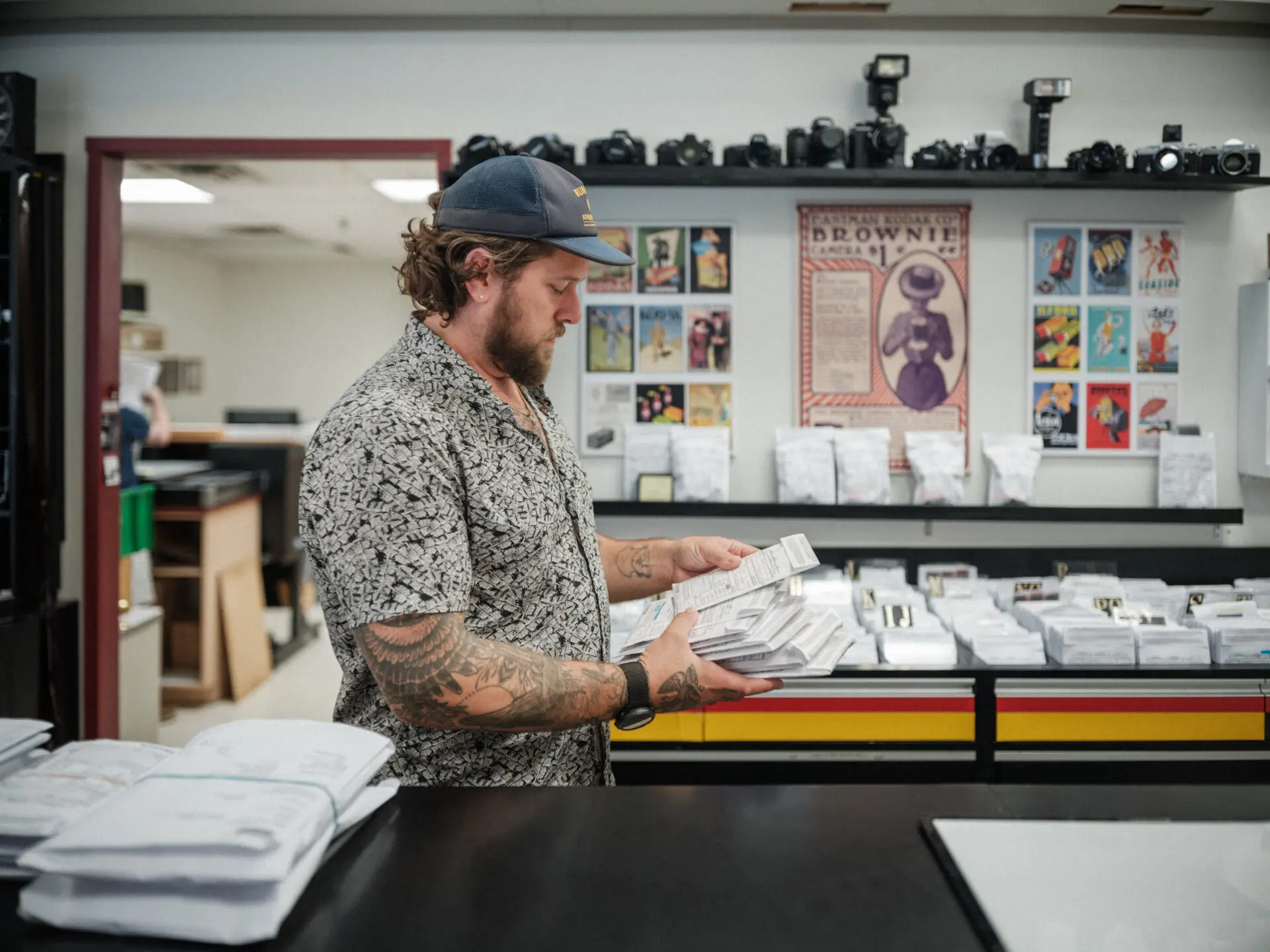
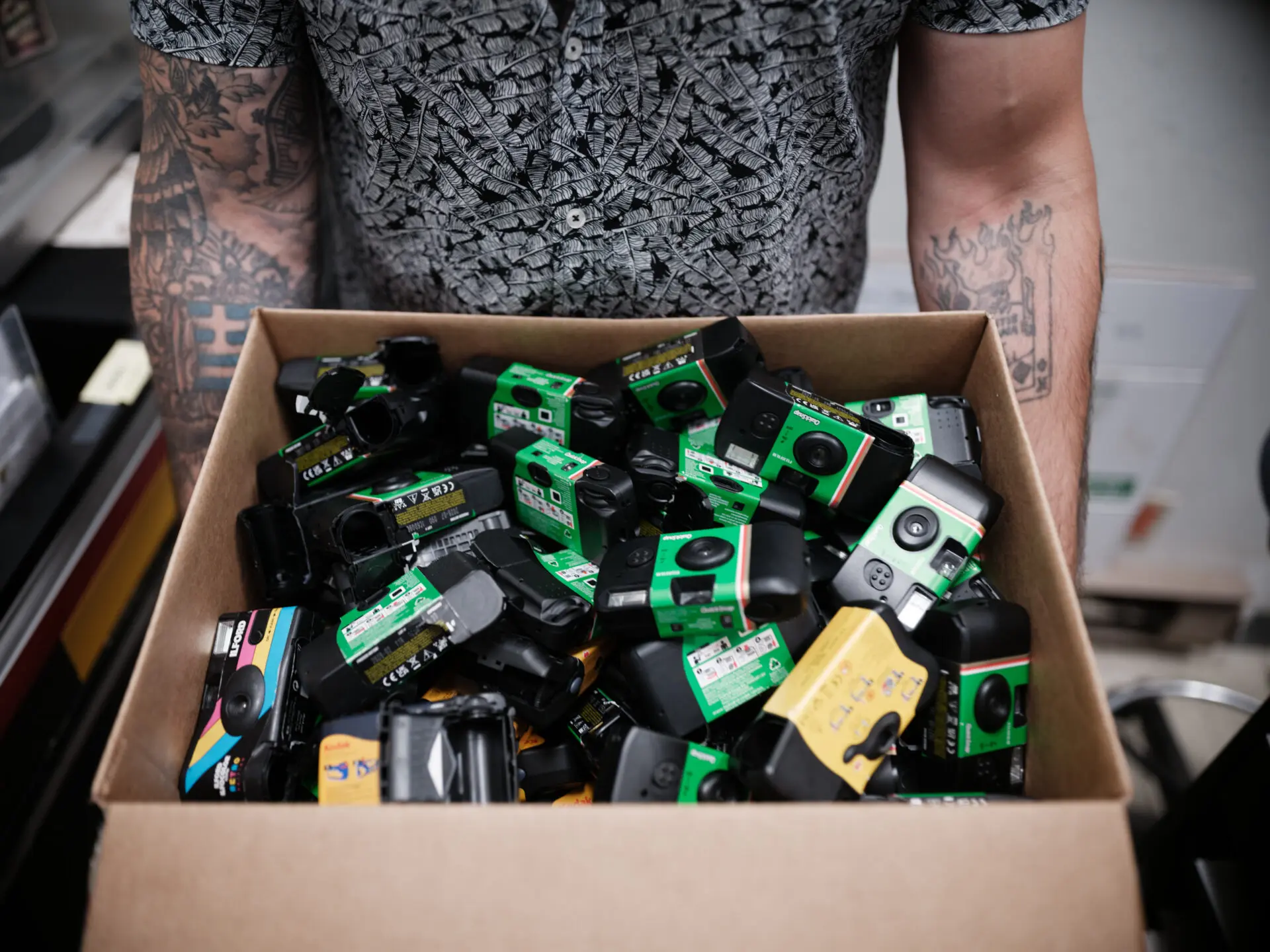
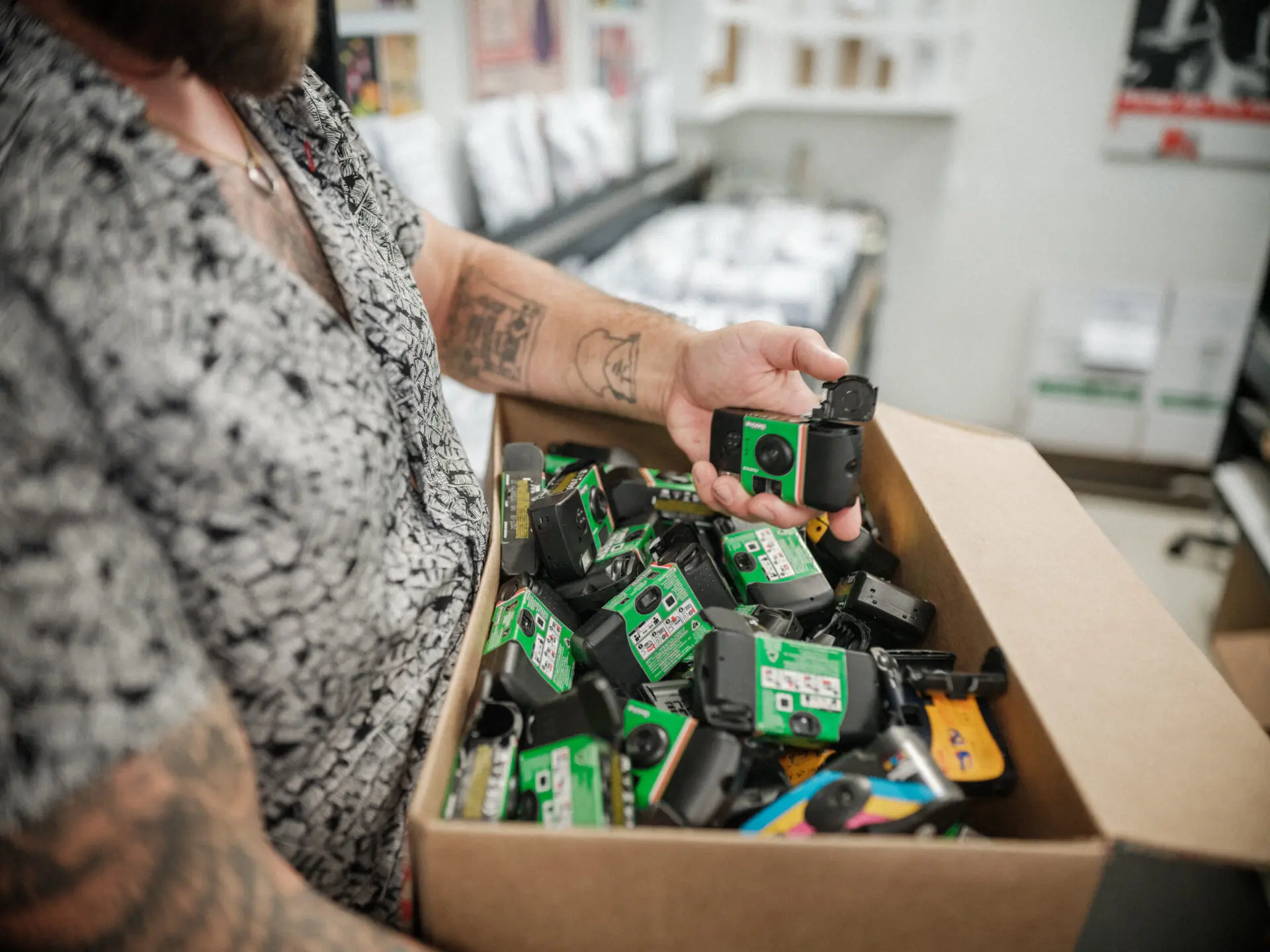
With most of my photo-based work, even if it’s commercial, it’s usually analog-based. I shoot films when I can. The larger the format, the better. Whether that’s medium format or 8×10 sheet film, sheet film is my favorite, and I love printing in the darkroom. Silver gelatin prints are sort of the final goal of anything that I create.
It’s just more attainable when you’re shooting in black and white. It’s a simpler process, and everything’s more affordable. Despite me being red-green color deficient, I still prefer to see things in black and white, just because the tonal gradations and the texture come alive a little bit more. So it’s my preference, even though it’s also easier for me to work with.
It’s funny, because I don’t know how you quantify how colorblind you are on a scale. I’ll get confused with blue versus purple, but I’ll be able to identify a very specific shade of blue with no issue. However, I’ll look at a tree and someone will say, “Oh, that tree’s gone brown,” and I’ll go, “I didn’t realize that.” So if someone tells me it’s green or brown, I just kind of have to believe them. Sometimes it’s clear to me, but what do you perceive?
I’ll look at a tree, but I think because I know what some greens look like, I’ll be able to immediately associate that with being green. So I think I’m actually seeing green in a brown trunk. It’s just a different way of perception. I don’t think that you can’t see it. As I said, I always find that very fascinating.
People will always say to me, “I wish I could put on glasses that let me see how you see,” and I go, “I really don’t think it’s actually any different.” I think there’s just a little bit of confusion here and there, but for the most part, you’d probably be pretty bored with it.
I’ll always have an interest in landscape and architecture, maybe in more of a documentary sense. But with humans as subjects, there’s so much more to them. The interest is in finding out these nuances about people through photography.
With analog photography, my sense in the local community is that it’s a bit more of a hobby. I don’t mean that in an artistically derogatory way. It’s just that it doesn’t seem to have expanded to match the other art that is in the area. Even in the greater Ottawa art scene, analog photography is still in that resurgence from when it was very popular, but it hasn’t quite hit that level of local fine artwork.
I would like to see more representation of that here when it comes to technical printing, subject matter, larger prints, and overall presence, even physically. There aren’t a lot of opportunities, and I think that’s part of where that comes from. There are very few darkrooms in the area. Supplies for film, paper, and chemistry are getting harder to find and more expensive. We had a chemistry, paper, and film supplier in Montreal called Photo Service, and they went out of business. So we now have to reach all the way to Toronto or New York in order to get supplies. It’s definitely getting tougher.
I think because of that availability and cost barrier, when you do see printed analog work there is some very good work around here. You just don’t see it in the same spaces presented in the same way. It ends up having a bit more of an alternative art feel, which I love. That should exist in all genres of art, but it would really be nice to see it on a bigger stage.”
Rob Little
Photo Based Artist / Builder of Mechanical Things
@killthecritic
Photos and Interview by @_finn